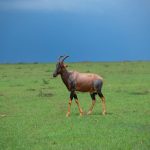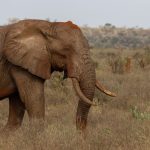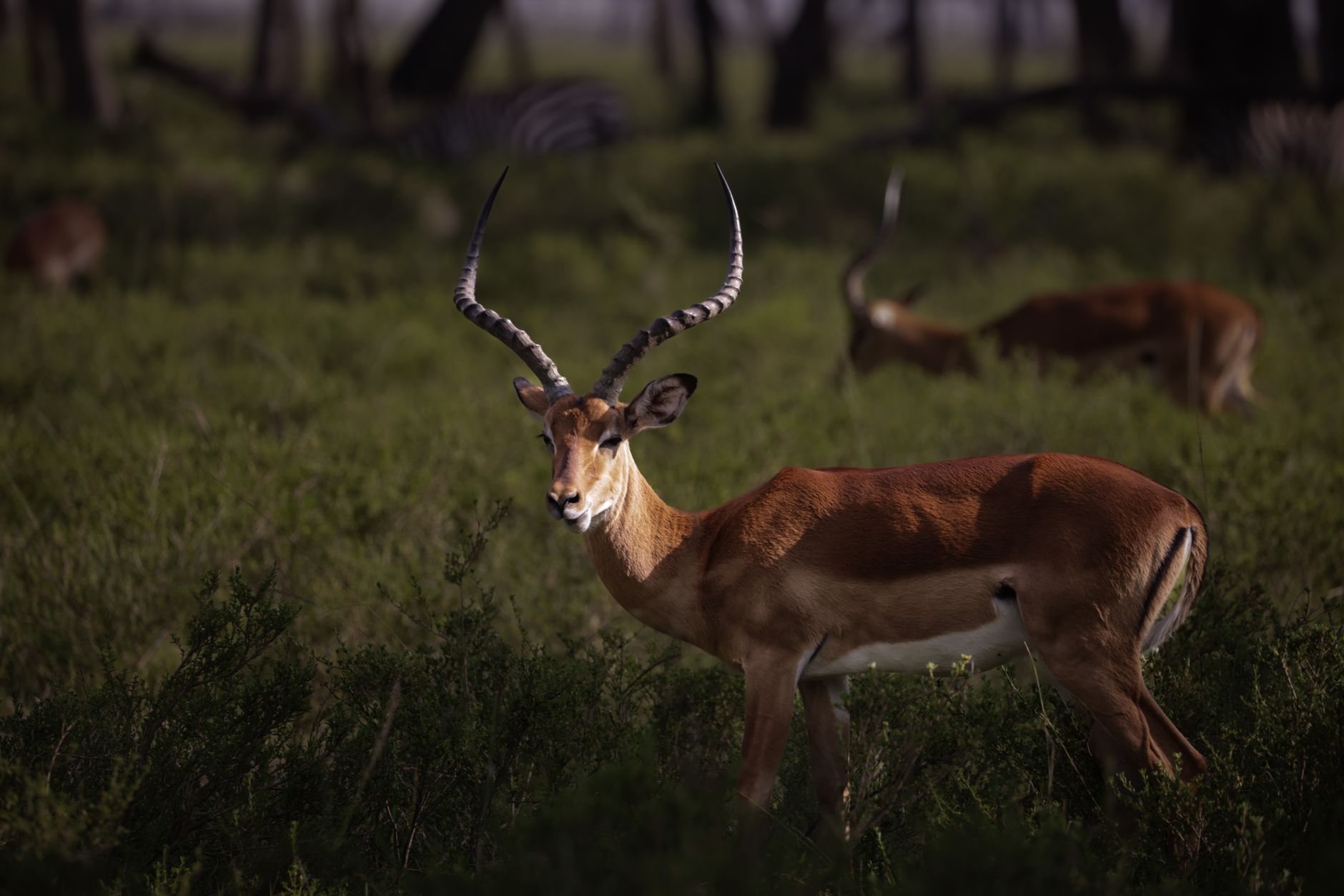
Planning a Kenya safari itinerary by region starts with an honest look at how Kenya fits together. The northern region, the southern circuit, the Rift Valley lakes, and the coast offer different strengths, and a 7-14 day trip can cover several of them. The real skill is matching each region to your wildlife priorities and to realistic transfer times. Stacking famous parks into a rushed checklist usually leaves less time for the animals you came to see.
How Do Kenya’s Safari Regions Fit Together?
Kenya’s practical safari regions are northern Kenya, the southern circuit, the Rift Valley lakes, and the coast. Northern routes suit rare northern species and conservation experiences. The Mara and Amboseli deliver classic big-game viewing. Naivasha and Nakuru add waterbirds, rhinos, and landscapes. Diani works best as a post-safari extension.
The northern route centers on Samburu, Ol Pejeta, and Lewa. The southern circuit is the classic first-timer route, linking the Masai Mara, Amboseli, and sometimes Tsavo. The Rift Valley can work as a slower land bridge between Nairobi and the Mara. The coast is usually a reward after the parks.
| Region | Best for | Suggested nights (indicative) | What it adds |
|---|---|---|---|
| Northern Kenya | Samburu’s Special Five, dry-country scenery, rhino work at Ol Pejeta and Lewa | 5-7 nights for a dedicated northern route | Lower vehicle density and a different set of species |
| Southern circuit | Predators, seasonal wildebeest movement, elephants, Kilimanjaro views | 7-10 nights for Mara, Amboseli, and Tsavo | Classic big-game scenery and the easiest first-time route |
| Rift Valley lakes | Rhinos at Nakuru, boat trips and walking at Naivasha | 2-3 nights | A slower link between Nairobi and the Mara |
| Coast | Beach time after the safari | 3-4 nights | Recharge, snorkeling, ocean views |
Use those ranges as starting points, not fixed rules. A two-night minimum per park cuts down on packing and maximizes game-drive hours.
What Does a Northern Kenya Safari Itinerary Look Like?
Allow at least 5-7 nights for a useful northern itinerary. Spend two or three nights in Samburu, two nights at Ol Pejeta or Lewa, and add time for transfers. Samburu offers the Special Five and dry-country scenery. Ol Pejeta adds strong rhino and conservation experiences.
A northern Kenya safari suits travelers who want a quieter route with a different cast of animals. Samburu’s riverine forest and rocky hills attract reticulated giraffe, Grevy’s zebra, Beisa oryx, and Somali ostrich. Ol Pejeta protects one of Kenya’s larger black rhino populations and runs a breeding program. Lewa, next door, is another conservancy with rhinos and low vehicle numbers. This is also the region where you can pair a game drive with a keeper or researcher visit. See Kenya’s best rhino conservation visits for more ideas. At Ol Pejeta, meeting conservation staff at Ol Pejeta can be arranged through many lodges.
For details on where to stay and what to expect, check the Samburu safari guide and the Ol Pejeta Conservancy guide.
What Does a Southern Kenya Safari Itinerary Look Like?
A southern itinerary works best in 7-10 days. Give the Masai Mara three or four nights, Amboseli two nights, and Tsavo two or three nights if you include it. The Mara is strongest for predators and seasonal wildebeest movement. Amboseli is best for elephant and Kilimanjaro views. Tsavo offers scale and red-earth wilderness.
The classic Masai Mara and Amboseli itinerary fits neatly in 7 days if you fly one leg or accept one long transfer. You can also add Tsavo West or Tsavo East for a slightly different southern Kenya safari, but only if you can keep at least two nights in each park. Mara conservancies, such as the private areas beside the reserve, give you the same wildlife with fewer vehicles and sometimes allow night drives. Night drives are generally not allowed inside national parks. Near Amboseli, Selenkay or other conservancy areas can add privacy and different activities, though rules vary.
For routes and camp options, read the Masai Mara guide, the Amboseli safari guide, and the Tsavo safari guide. If you are weighing one versus the other, our Masai Mara vs Amboseli comparison will help.
How Many Days Should You Spend in Each Kenya Region?
Use five days for one main region, seven days for two areas, 10 days for three carefully chosen stops, and 14 days for a northern-to-Mara or safari-to-coast journey. Keep at least two nights per park and three or four nights in the Mara to reduce packing and improve wildlife time.
A 7-day Kenya safari itinerary usually works best as the Mara plus Amboseli, or as a northern route with Samburu and Ol Pejeta. For the classic southern 7-day route, plan two nights in Amboseli and three in the Mara, then fly one leg or accept one long transfer. A 10-day Kenya safari itinerary can add Tsavo or the Rift Valley lakes without feeling rushed. With 14 days, you can combine northern Kenya and the Mara, or add Diani Beach at the end. If you love elephants, give Amboseli extra time. If predators matter most, put the extra night in the Mara.
Should You Add Rift Valley Lakes to Your Route?
Add two or three nights in the Rift Valley when you want a slower route between Nairobi and the Mara. Lake Naivasha suits boat trips and walking on Crescent Island or Hell’s Gate. Lake Nakuru is valuable for rhinos, birdlife, and forest-edge wildlife. Flamingo numbers depend on water conditions.
Naivasha makes an easy first stop after landing in Nairobi. Nakuru is one of Kenya’s best places to see rhinos and, at times, flamingos. If you are watching your budget, the Rift Valley can also keep ground transport costs lower than a fly-in route. For more on the park, see our Lake Nakuru guide. If you wonder why the flamingos moved from the lake shore, our article on Lake Nakuru’s flamingos explains the water level issue.
When Is Flying Worth the Cost on a Kenya Safari Route?
Drive between nearby parks when the route adds scenery or an en-route game drive. Fly when distances would consume most of a day. Flying is especially useful for Samburu, the Mara, and coast connections. Road travel suits Nairobi-Naivasha-Nakuru-Mara and Amboseli-Tsavo combinations, subject to road conditions and budget.
A short flight can turn a wasted day into a morning game drive. This matters most on a 7-day trip. The downside is cost. A private fly-in safari adds a meaningful amount to the total, so it helps to think about whether a private safari vehicle is worth the cost before you decide. On a 10-14 day route, mixing one flight with road segments often works well.
How Do Seasons Shape a Kenya Safari Itinerary by Region?
Choose the Mara for predator viewing year-round and wildebeest movement when seasonal conditions align. Choose Amboseli for elephants and clearer Kilimanjaro views in drier periods. Northern conservancies work well as a quieter experience. Peak migration months can bring exceptional crossings but also higher prices and more vehicles, so a conservancy stay may offer better privacy.
The exact month of the wildebeest crossing shifts from year to year. If your dates are fixed, build your itinerary around the wildlife that is most reliable in that season, not the single crossing you saw in a video. For more detail, read our best time to visit the Masai Mara guide and our Great Migration viewing areas article.
What Is the Best Kenya Safari Itinerary by Region for You?
For most first-time travelers, the southern circuit is the safest choice. It delivers the classic Mara and Amboseli combination plus easy add-ons. A northern Kenya safari suits travelers who want lower densities, dry-country scenery, and hands-on conservation. The Rift Valley belongs in a slower, land-based route. The coast belongs at the end of a 10-14 day trip. If you want a Kenya safari and beach itinerary, add Diani after the parks.
Where Can You Compare More Kenya Safari Packages?
- Kenya safari packages from SafariPure
- Kenya wildlife tours from Trunktrails Safaris
- Rift Valley lakes map from Valley Safaris
- Compare Kenya safari packages on FindMySafari
The right Kenya safari itinerary by region depends on your wildlife priority, not on popular checklists. Before you book, compare operators to see which one pairs well with your chosen regions. Start with FindMySafari, Valley Safaris, or Trunktrails Safaris and browse packages that match your dates and style.